The Unexpected Things that Improved my Night Photography Most in 2025
5 Things that made a big difference in my photography this year - none of which are a camera or a lens!
1) Benro Tortoise Columnless Carbon Fiber Tripod with Leveling Base:
For a few years, I’ve relied solely on the Vanguard VEO 3Go 265HCBM Carbon Fiber Tripod. Make no mistake - it’s still the go to tripod for hiking adventures that put some distance between me and my car. It’s very lightweight and has done it all. However, I wanted something a bit more sturdy particularly for night photography, to support not only the camera but the star tracker and all that comes with it as well. That’s where the Benro Tortoise has come in handy. I love it. It’s perfect in combination with the next item on the list, and it’s sturdy in the daytime in very windy conditions as well. It’s heavy enough that I wouldn’t hike too far with it unless I had to, but that extra weight comes in handy under the right conditions.
2) Acratech Panoramic Head
Another unexpected piece of equipment. How’s this improved your photography, you ask? Well, it hasn’t exactly improved it, but it’s helped make night photography so much more efficient. Aside from being very nice to use for day time panoramas, this head has altogether replaced the equatorial wedge for the star tracker. It’s so much faster to set-up, which hopefully translates to more images per night when photographing the stars.

3) Move Shoot Move Nomad Star Tracker
Undoubtedly the most impactful piece of equipment for me this year in night photography. I love this thing. Small, lightweight, and most importantly, incredibly easy to setup and start shooting. It’s in their name: the goal is to make setting up the star tracker, polar aligning, and shooting the quickest it can be to allow you to capture multiple compositions per night. I’ve used the iOptron SkyGuider Pro for years, and it does an excellent job, but it takes time to setup, and re-aligning the polar scope once the setup is complete can be a real pain if you occasionally bump your tripod leg in the dark. With the MSM Nomad, you can fix your alignment in seconds and get right back to shooting.

4) PT Gui Pro
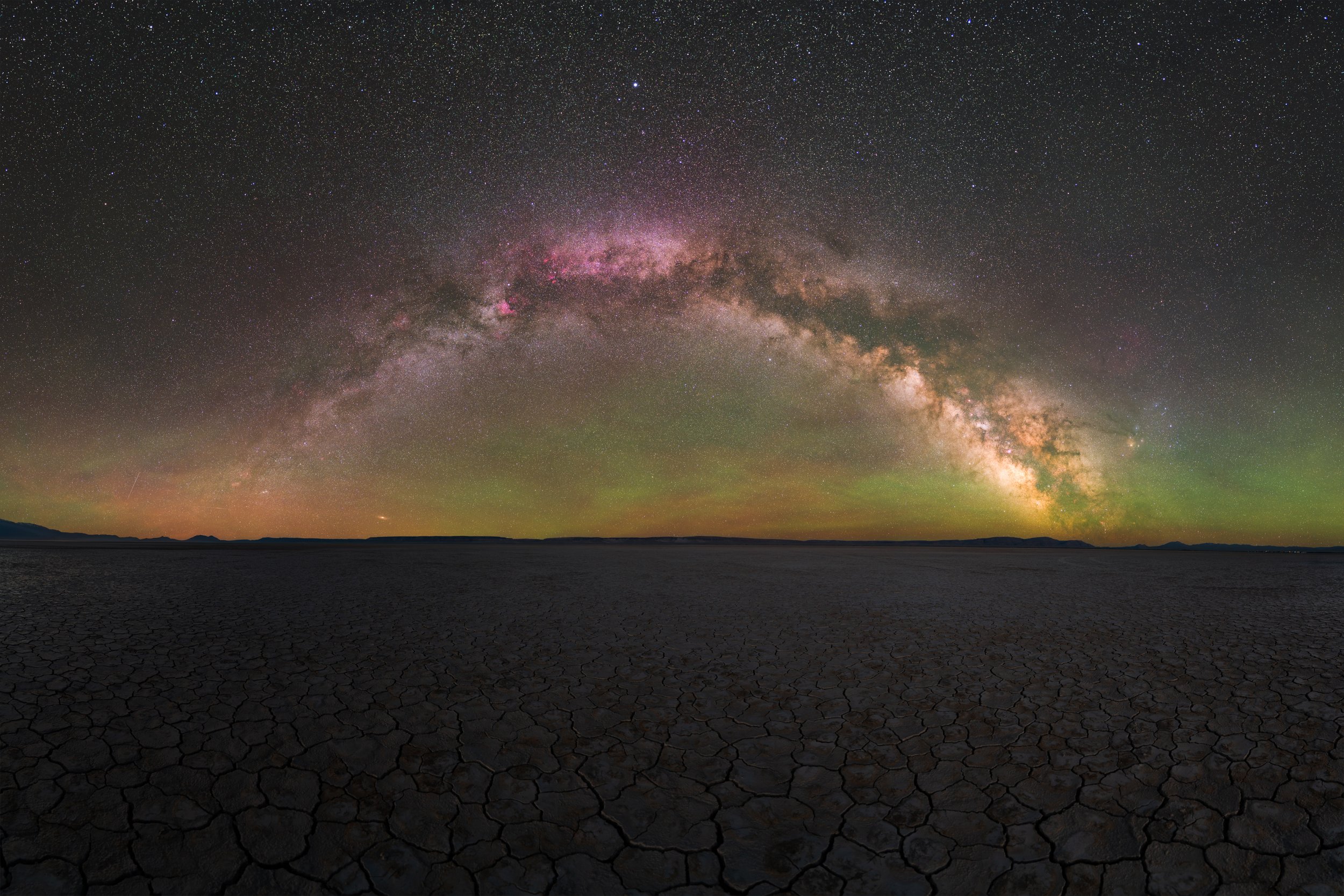
It’s an expensive piece of software, but it’s indispensable. Adobe lightroom does a pretty good job of stitching photos together for panoramas most of the time. But when it doesn’t, you’ve got a pile of images you took to make something beautiful that are essentially worthless. PT Gui Pro fixes that problem, as its entire function is to stitch together panoramas. It allows you to choose multiple different types of projections to get the image looking just like you want it, and when it struggles to connect images, it asks for help to do it manually. Without it, two of my very favorite images this year wouldn’t have been possible.
5) StarNet ++
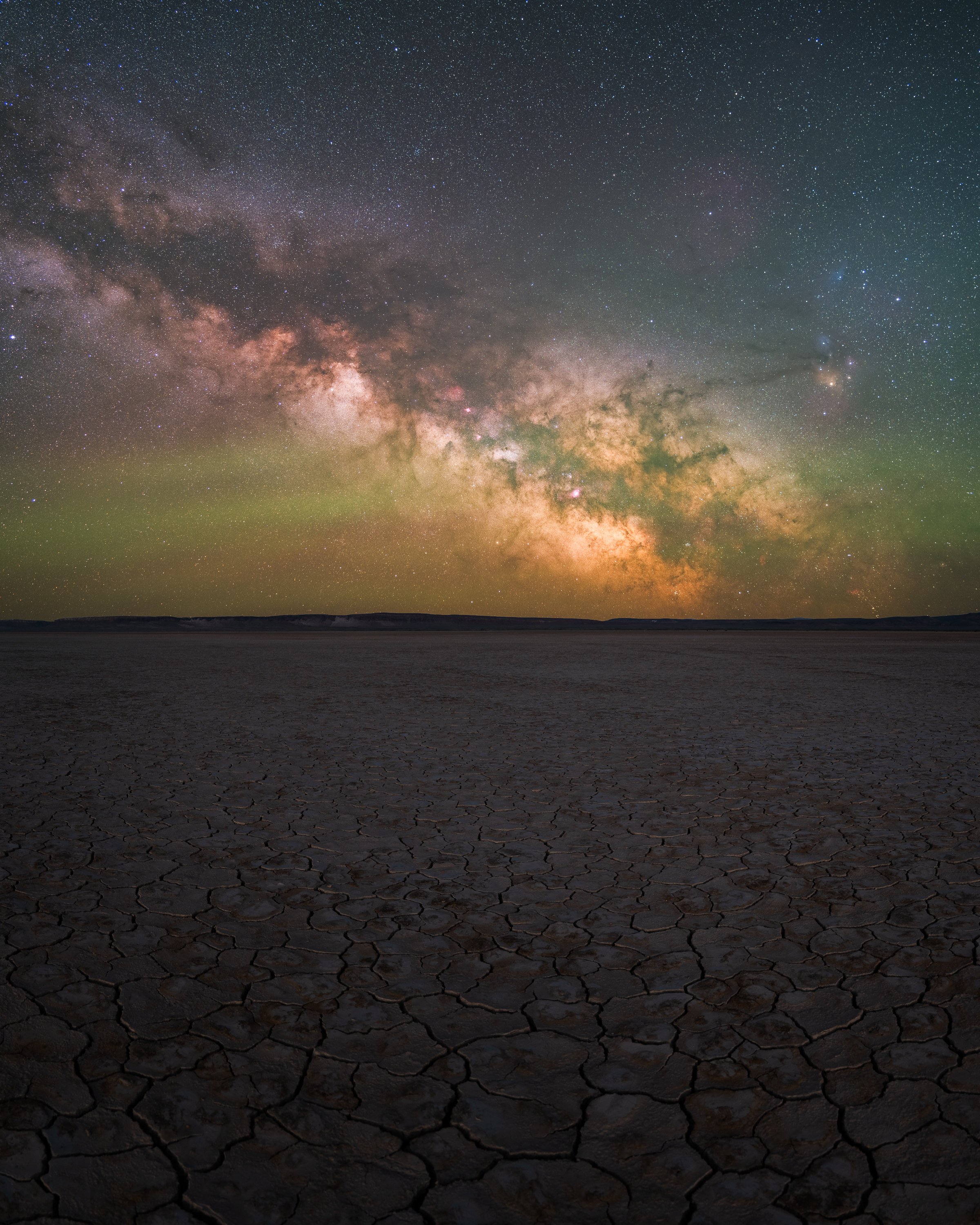
It’s another piece of software, like the last one. Unlike the last one, however, this one is completely free! StarNet++ allows you to create a starless version of your Milky Way photos, so that you can bring out the color and contrast in the gas and dust clouds of the galaxy without blown-out or discolored stars. This has been huge. I can’t stress enough how much easier this has made editing the sky portion of the Milky Way.
Until next time,